

With ‘freedom day’ upon us, I’ve been thinking a bit about the word freedom and what we may mean by it. I typed ‘freedom’ into an open source image site and found it quite ironic that freedom was depicted almost entirely in terms of isolated individuals in nature – not a crowded bar or theatre in sight! (a sample of the images offered to me above!)
Words like freedom are a bit like onions with layers of meaning… but perhaps also like a kinder egg… because if we unpack what it may mean for us we may be surprised at the diversity of meaning among us.
Freedom is a deeply theological concept for us as Christians, strongly driven by scriptures story. Much of the bible comes from people and communities seeking freedom, but restricted from it by the geo-political and social structures of the day. Ruth and Naomi restricted by famine and grief yet subverting the cultural restrictions of the day. The Israelites enslaved in Egypt , longing for the promised land. Paul, Peter and many others imprisoned writing to inspire the early church…
Some parts of the Old Testament are packed with rules for the community of God; don’t eat unclean animals, no mixed fibre clothes, rules for bathing… there is even an instruction not to boil a baby goat in its mothers milk. There’s all sorts of ways to explain why these rules may have been necessary at the time, some very practical – for example some rules may have helped stop the spread of disease.
By the time Jesus came, these rules had become so restrictive to the people of God they had become a mill stone around the people’s neck, and the religiosity of the system had taken away any sense of freedom. So Jesus comes and turns everything upside down, freeing God’s people and all the world from restriction – God did not send the son into the world to condemn it, but that it might be saved (John 3:17) , and offering freedom ‘if the Son makes you free, you are free indeed’ (John 8:36).
But what do we do with that freedom? Do we go off and do whatsoever we like? That is the choice we have. That is the personal responsibility we bear. But how do we bear it? What does Christian personal responsibility look like?
These quesitons are not new questions – it seems that the early church asked them too, and while maybe not in the context of a pandemic, Paul writes to the Galatians that as God’s people we are called into freedom. Not merely earthly freedom (e.g. from mask wearing and social distancing), but to the Spiritual freedom of belonging not to the kingdoms of earth but the kingdom of God. To be called into freedom is to embrace the liberating, redeeming power of salvation we find through belonging to God’s kingdom.
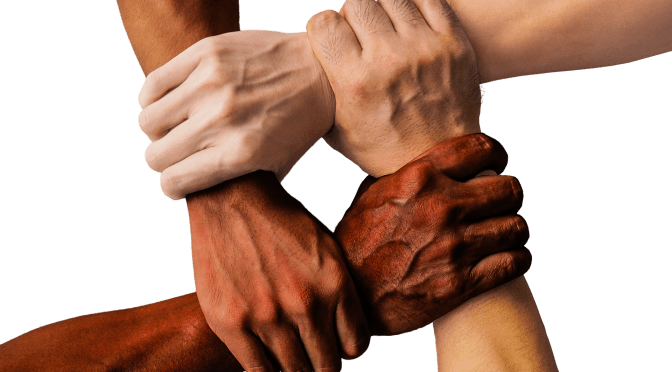
But, says Paul, we are also called to choose use our freedom responsibly – to take personal responsibility and not keep our freedom for self-indulgence, but to live out God’s law that Paul and Jesus both sum up in one phrase ‘love your neighbour as yourself.’
For you were called to freedom, brothers and sisters; only do not use your freedom as an opportunity for self-indulgence, but through love become slaves to one another. For the whole law is summed up in a single commandment, ‘You shall love your neighbour as yourself.’ If, however, you bite and devour one another, take care that you are not consumed by one another.
Galatians 5:14-16
In light of the emphasis on ‘personal responsibility’ for mitigating covid risk, moving away from laws that dierct us, I’m minded that personal responsibility is not about only thinking about self, but also taking personal resposibility for ensuring our personal actions also love our neighbours.
As we enter this new phase of pandemic, I encourage you to reflect on 2 things:
1, reflect spiritually and on your relationship with God: what does Christian freedom mean for you?
2. reflect practically, how do you demonstrate to the world the personal responsibility we are called to exercise?
Weekly Reflections from Rev Dan, also published in Tues News 20/7/21.
Sign up for the weekly Tues News here.
 Rev Dan Balsdon's Blog